Tender management in procurement contract
When a business, nonprofit organisation, or government agency needs to make a major purchase, such as materials required to manufacture their goods or services to keep the organisation humming, they typically initiate a bidding process before zeroing in on their best option.
If the purchasing organisation is in the United States, the bidding process begins with a request for proposal (RFP). In many other parts of the world, the request is called a tender. In turn, the vendors respond with a proposal, or more commonly outside the U.S., a bid (or response).
Before delving into tender management, it is essential to define what a tender is.
In business, a tender is an invitation to potential suppliers or service providers to submit their proposals or bids for a particular project or contract. Tenders are commonly used by public sector organizations, government agencies, and large corporations to ensure transparency and fair competition when procuring goods and services.
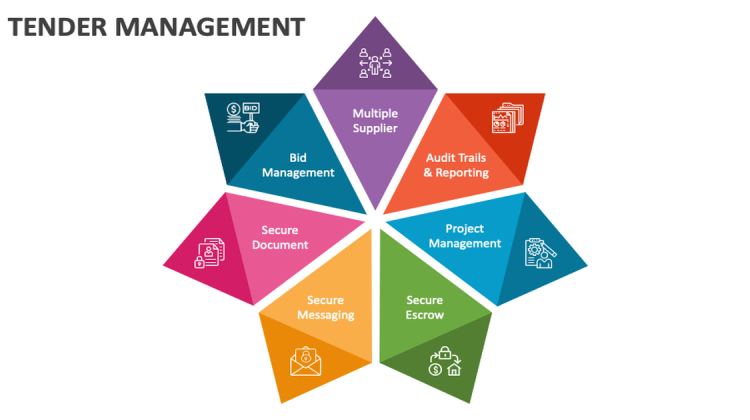
Tender management is a vital component of procurement, ensuring that the tendering process is conducted efficiently, transparently, and in alignment with organizational goals. It is a critical aspect of procurement and project management, involving the meticulous process of creating, issuing, and managing tenders. It ensures that organizations can procure goods, services, or works efficiently and cost-effectively.
Tender Management Defined:
Tender management is the process of overseeing and coordinating the creation, issuance, and evaluation of tenders. This includes managing the entire lifecycle of a tender from initial preparation to the final awarding of the contract. The goal is to ensure that procurement activities are conducted efficiently, transparently, and in alignment with organizational objectives.
Tender management encompasses the end-to-end process of handling tenders. It involves various stages, including identifying potential opportunities, assessing requirements, preparing bid documents, evaluating proposals, negotiating contracts, and post-contract evaluation.
The primary objective of tender management is to secure contracts that align with an organization’s strategic objectives while ensuring the best possible value for money.
Key components of tender management
-Opportunity Identification:
The first step in tender management is to identify relevant opportunities that align with an organization’s business objectives. This involves monitoring tender portals, industry publications, and networking with potential clients.
By actively seeking out opportunities, organizations can ensure they stay ahead of the competition and increase their chances of securing valuable contracts.
-Tender Evaluation and Strategy:
Once an opportunity is identified, the next step is to evaluate the tender and develop a winning strategy. This involves carefully analyzing the requirements, assessing the scope, considering the organization’s capabilities and resources, and determining whether to pursue the opportunity. Creating a clear and well-defined strategy sets the foundation for a successful tender submission.
-Bid Preparation:
Bid preparation is a critical component of tender management. It involves developing a comprehensive proposal that showcases the organization’s capabilities, experience, and value proposition. The bid document should be well-structured, and persuasive, and address all the requirements outlined in the tender.
Additionally, organizations must ensure that the bid is submitted within the specified deadline and in the required format.
-Proposal Evaluation:
After the bid submission, the tendering authority evaluates the proposals received from different bidders. The evaluation process typically involves assessing the technical, commercial, and financial aspects of each proposal.
It is crucial for organizations to understand the evaluation criteria and tailor their proposals accordingly to maximize their chances of success.
-Negotiation and Contract Award:
If a proposal is shortlisted, the next stage involves negotiation and contract award. This phase requires effective communication and negotiation skills to finalize the terms and conditions of the contract.
Organizations must strike a balance between securing favorable terms and maintaining a mutually beneficial relationship with the client. Once the negotiations are successfully concluded, the contract is awarded to the selected bidder.
-Post-Contract Evaluation:
Tender management does not end with a contract award. Post-contract evaluation is a crucial component that allows organizations to assess the performance of the contract and identify areas for improvement. It involves monitoring key performance indicators, tracking deliverables, and addressing any issues or disputes that may arise during the contract duration.
By conducting a thorough post-contract evaluation, organizations can refine their tender management processes and enhance future performance.
Tendering Manager Responsibilities:
-Coordination: Oversee the entire tendering process from preparation to contract award.
-Documentation: Ensure that all tender documents are accurate and complete.
-Compliance: Ensure that the tendering process adheres to legal and regulatory requirements.
-Evaluation: Lead the evaluation of bids and coordinate with relevant stakeholders.
-Communication: Maintain clear and effective communication with all parties involved in the tendering process.