Strategic formulation in strategic management
As a manager at the helm of a company, tasked with charting its course toward long-term success. How do you decide which direction to take? What steps should you follow to ensure your decisions align with the organization’s goals and resources? The answer lies in strategy formulation, a cornerstone of strategic management.
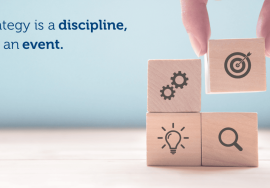
This process involves analyzing internal and external factors, setting objectives, and crafting actionable plans to achieve sustainable growth. “It is about deciding what you want to do before how you want to do it”
When formulating a strategy, a company will first assess its current situation by performing an internal and external audit. The purpose is to identify the organization’s strengths and weaknesses, as well as opportunities and threats (SWOT Analysis).
Based on the analysis, managers decide which plans or markets they should focus on or abandon, how to best allocate the company’s resources, and whether to take actions such as expanding operations through a joint venture or merger.
Business strategies have long-term effects on organizational success. Only upper management executives are usually authorized to assign the resources necessary for their implementation.
The strategy formulation answers three fundamental questions:
Where are we now? (Current state)
Where do we want to go? (Future goals)
How will we get there? (Actionable plans)
The Different Levels of Strategy Formulation
Strategy formulation operates at multiple levels within an organization, each addressing different goals and focus areas. Understanding these levels—corporate, business, and functional—helps leaders ensure that strategies are aligned and mutually supportive across the organization.
Corporate-Level Strategy Formulation
At the corporate level, strategy formulation focuses on the overarching direction of the entire organization. This high-level strategy considers long-term growth, profitability, and market positioning, addressing questions such as which markets to enter, exit, or expand into.
Corporate strategy often involves major decisions, such as mergers and acquisitions, diversification, and resource allocation across business units. By defining a unified direction, the corporate-level strategy ensures that the organization’s various parts work cohesively toward common goals.
Business-Level Strategy Formulation
Business-level strategy formulation hones in on how individual business units or product lines will compete within their specific markets. This level addresses the unique competitive position of each unit, focusing on ways to attract customers and differentiate offerings.
Business strategy is essential for ensuring that each unit effectively contributes to the organization’s overall success while remaining responsive to its own market dynamics.
Functional-Level Strategy Formulation
Functional-level strategy formulation supports corporate and business strategies by optimizing the activities within specific departments, such as marketing, finance, HR, and operations. This level focuses on how each department will execute its role in achieving larger strategic goals, often through enhancing efficiency, improving processes, or developing specialized skills.
Functional strategies ensure that each department’s activities are aligned with broader objectives, creating a cohesive system that drives the organization’s overall performance.
Key Steps in the Strategy Formulation Process
The strategy formulation process involves several structured steps that guide organizations in defining, analyzing, and implementing their strategic goals. Each step builds on the previous one, creating a comprehensive framework that drives long-term success.
- Define Vision and Mission
The first step in strategy formulation is to clearly define the organization’s vision and mission. The vision outlines where the organization wants to be in the future, while the mission describes its core purpose and values. Together, these statements provide direction and serve as a foundation for all strategic decisions, helping teams stay focused on what truly matters.
- Conduct a Situation Analysis
Next, organizations conduct a situation analysis to assess both internal and external factors that impact their position. Tools like SWOT (Strengths, Weaknesses, Opportunities, Threats) and PESTLE (Political, Economic, Social, Technological, Legal, Environmental) analysis help uncover potential challenges and opportunities. This thorough evaluation provides the context needed to set realistic, relevant goals and helps identify areas for competitive advantage.
- Set Strategic Goals and Objectives
With a clear understanding of the organization’s mission and current position, the next step is to establish focused goals and objectives. These goals should align with the company’s primary priorities, creating a pathway toward meaningful progress. By setting well-defined objectives, leaders can provide direction that guides each level of the organization and offers measurable outcomes. Clear and actionable goals not only keep teams aligned but also allow the organization to track and celebrate milestones on its journey to success.
- Identify Key Resources and Capabilities
To support the strategy, organizations need to identify the resources and capabilities essential for success. This involves evaluating financial, human, and technological assets to ensure the organization has what it needs to execute its plan effectively. Understanding available resources also helps in determining any areas where additional investment or development may be necessary.
- Develop Competitive Strategy Options
Once the foundational elements are in place, leaders develop competitive strategy options that align with the organization’s strengths and market opportunities. These options may involve different approaches to gaining an edge, such as cost leadership, differentiation, or focusing on niche markets. By weighing various strategies, leaders can select the one that best supports the organization’s goals and competitive position.
- Formulate Action Plans
The final step is to create detailed action plans that break down the chosen strategy into actionable steps. These plans outline responsibilities, timelines, budgets, and key performance indicators (KPIs) to track progress. Action plans ensure that every part of the organization knows what needs to be done, who will do it, and when it should be completed, making it easier to implement the strategy successfully.
For more on this, log on to our website and search for up and running workshop on strategic leadership training course